
Your favourite running shoe changed. What should replace it?
Keep the qualities you liked, even when the next version changes them.
Published
If the next version of your favourite running shoe feels wrong, replace the qualities you enjoyed rather than the name on the box. A successor may add cushioning, change the heel or reshape the forefoot. That can make it a better shoe for somebody else while taking away the thing you wanted to keep.
Start by writing a short description of the old pair when it was working well: soft or firm, flexible or stiff, snug or roomy, close to the road or deeply cushioned. Then add the runs you used it for. “Light and flexible for short workouts, with room for my toes” gives you a much more useful shopping brief than “something like my old Rebel”.
Separate a worn-out shoe from a changed design
Your old shoe is an imperfect reference. Compressed foam, stretched fabric and worn rubber can make a fresh pair feel unfamiliar even when the model has not changed. Compare the new shoe with what you remember enjoying, as well as what is currently on your foot. Our shoe replacement guide explains the condition checks.
Also separate fit from ride. Pressure across your toes is a fit problem. A sole that resists bending is a ride characteristic. Buying a larger size may relieve one area of pressure, but it will not remove a plate or change the shape of the midsole. Keep the reason for rejecting the successor specific.
A worked example: New Balance FuelCell Rebel v4 to v5
The New Balance FuelCell Rebel v4 is a useful example because its appeal includes a light, soft, flexible ride and generous forefoot room. Our research on the exact model also flags its very minimal tongue and less secure heel hold. Those details matter if the thing you liked was freedom underfoot but the thing you disliked was the upper.
For the FuelCell Rebel v5, New Balance confirms a wider, higher midsole, more foam, and a redesigned heel and tongue. Its PEBA/EVA FuelCell blend remains a key part of the construction. This is a real design change, rather than a new colourway.
Try the v5 first if you want to retain softness and forefoot freedom while comparing the revised upper. Be more sceptical if your favourite feature was how low and spare the v4 felt. More foam is relevant to that preference even when the family name stays the same.
Two different briefs from the same old shoe lead to different comparisons. These are researched try-on suggestions, not identical replacements.
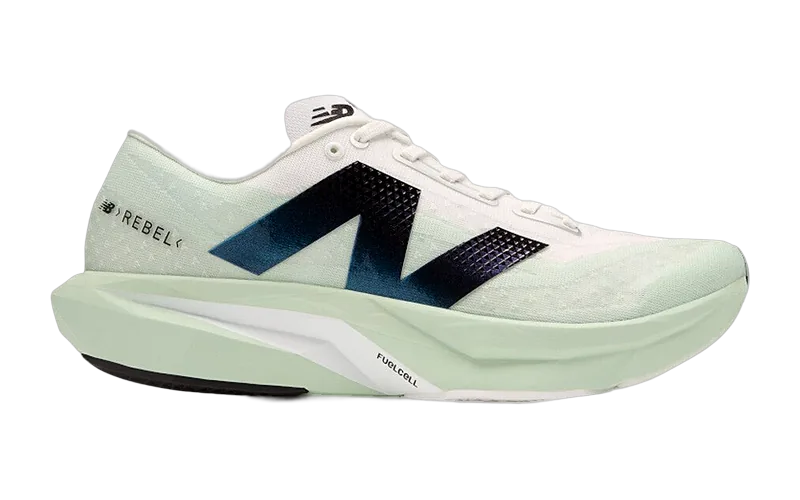 New Balance FuelCell Rebel v4
- Keep soft cushioning, a flexible forefoot and generous toe room.
Try New Balance FuelCell Rebel v5.Compare the added foam and revised heel carefully. 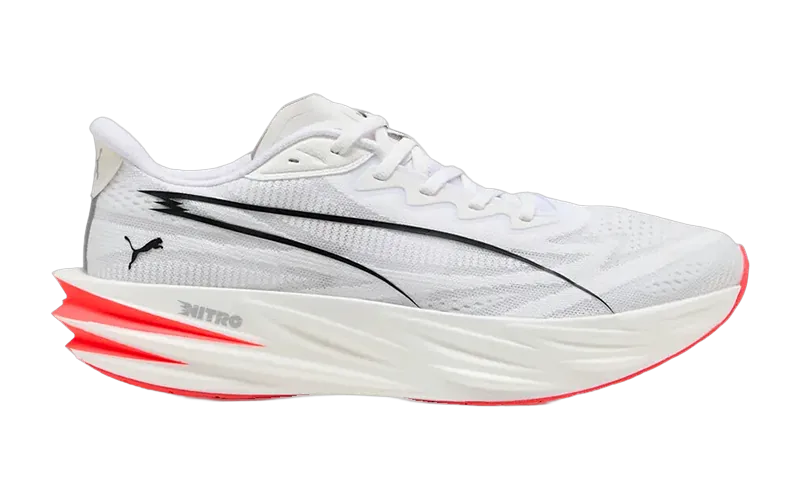 PUMA Deviate Pure NITRO
- Keep a light, unplated training shoe, but seek a livelier, less sink-in feel.
Expect a different fit, including less room above the toes.
If you want an alternative rather than the successor, the PUMA Deviate Pure NITRO preserves the light, unplated training concept. Our model research points to a firmer, springier character than the Rebel v5, with a relatively roomy forefoot for PUMA but limited vertical toe space. That makes it a sensible comparison for someone wanting more response, and a poor promise of an exact Rebel fit.
Another real change: PUMA Velocity NITRO 3 to 4
The PUMA Velocity NITRO 3 paired NITRO cushioning with a firmer carrier layer. Its appeal was a controlled, grounded everyday ride and dependable road grip. For a runner who liked that restraint, extra bounce is not automatically an upgrade.
PUMA's Velocity NITRO 4 launch material confirms the move to a full-length NITROFOAM midsole. Our research describes a lighter, livelier successor that still has a grounded forefoot and a narrow fit. Try it if you want more energy from the same general everyday job; check it carefully if the old pair's calmer character was the attraction.
The Nike Pegasus 41 is an alternative to investigate for a more conventional, controlled daily ride, using ReactX and heel and forefoot Air Zoom units. It has a more noticeable rolling shape and is not a like-for-like replacement for the Velocity's wet-road strengths. If grip was your priority, stay with the wet-weather shortlist rather than trading it away accidentally.
Try two candidates with the same brief
Wear your running socks, compare both feet and check heel hold, toe length, width and height. If a shop offers a permitted running trial, use the pace you intend the shoe to cover. A few comfortable steps can establish a fit problem; they cannot establish long-run comfort.
These examples are based on model research and current UK brand listings checked on 20 October 2026, not personal mileage in every shoe. Older stock can be a useful option when it is genuinely the version you want, but do not let a discount persuade you to overlook its condition or fit.
In Cinda, keep the old pair in your rotation as context and describe the qualities you want to retain when exploring another shoe. You may find that a pair you already own can take over the job. Our rotation guide explains why every change does not need another purchase.